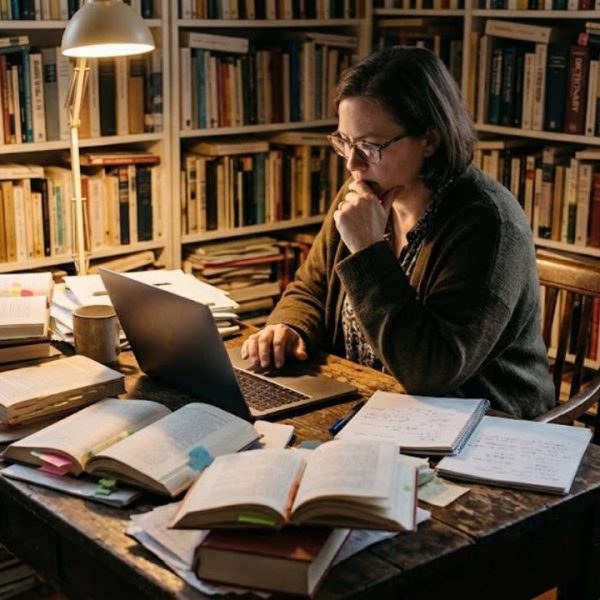
Many literary translators distrust software built for repetitive manuals, and the concern is fair. Novels and essays do not repeat like technical text. Still, a modern cat translation tool offers features that help with long projects, from consistent names to organized notes and clean exchange with publishers. Here is how books and CAT software can work together.
Do books really need a CAT tool
Books rarely produce high memory matches, so the classic savings are small. The value lies elsewhere: searchable archives, consistent character names, easy navigation through hundreds of pages and a record of decisions. For many translators, organization matters more than reuse.
Splitting a manuscript into manageable parts
Long files are slow and hard to review. Divide the book into chapters and import each as a separate document, then combine them again at the end. This keeps the editor responsive and allows several people to work on different parts at the same time.
Keeping names and style consistent
A termbase is not only for technical words. Store character names, places, invented terms and recurring phrases. Add notes about tone or form of address. When you return to the project after a break, these entries save you from rereading hundreds of pages.
Using concordance search
Concordance shows every place where a word or phrase appears in the project. It helps you remember how you rendered an idiom in chapter two when you meet it again in chapter twenty. For long texts, it becomes a reliable memory for your own choices.
Exchanging files with publishers
Publishers and editors may use different software. Open bilingual formats make collaboration possible. Our overview of XLIFF files explains how they carry source and target text together, with notes, between different programs.
Working with editors
Editors need to see your decisions and suggest changes without breaking the file. Tracked changes and comments inside the editor keep everything in one place. After the review, accept the edits and update the memory so the final wording is stored.
Professional guidance
Associations such as the ITI offer advice on contracts, rates and technology for professional translators. Their resources can help you decide how much automation fits your practice and how to explain it to publishers.
Respecting the author voice
Software must never flatten style. Treat suggestions as raw material, not as final text. Literary work depends on rhythm, humor and subtext. Read the translation aloud outside the tool, and revise passages that sound correct but lifeless.
Quality checks for long texts
Automated checks can find inconsistent numbers, repeated words and missing sentences. Run them chapter by chapter. A quick scan after each chapter is easier than a giant review at the end, when tiredness makes errors harder to notice.
Managing deadlines
Break the book into daily targets and track progress inside the project. Seeing a word count rise provides motivation and makes delays visible early. Share milestones with the publisher so that expectations remain realistic throughout the project.
Long-form content needs the tooling the article describes because consistency across hundreds of pages cannot be held in anybody's head. Course material has the same property, with terms introduced in module one and relied on in module nine. Getting elearning translation right means locking that vocabulary before the first lesson is rendered, since a term that shifts halfway through teaches students two different things.
Handling footnotes and special elements
Footnotes, epigraphs, poems and dialogue formats need extra attention. Check how your tool imports them, and test a sample chapter before starting. Broken formatting at the end of a project costs time and strains relationships.
Using machine suggestions carefully
Some translators try engines for rough drafts of non creative passages such as acknowledgements. Keep this separate from literary parts, check contracts for restrictions and always edit thoroughly. Many publishers have clear rules about the use of such technology.
Backups and version history
A manuscript is months of work. Save automatic backups to a second location and keep dated versions after major revisions. If a file becomes corrupted or an edit goes wrong, you can return to a safe copy.
Series and sequels
Translating a series is where memory and termbase shine. Names, invented terms and stylistic choices from book one carry over to the next volumes. Keep the project resources organized so that you or a colleague can continue smoothly.
Nonfiction and academic books
Essays, biographies and scholarly books contain citations, quotations and references. A CAT environment helps keep references consistent and makes bibliographies easier to handle. Check that numbering and cross references survive the export.
Children and illustrated books
Short texts with images need careful layout. Extract captions and speech bubbles into the tool, keep length limits in mind and review the printed proofs. Rhythm matters more than literal accuracy in books for young readers.
Learning the software gradually
You do not need every feature immediately. Start with the editor, a basic termbase and automatic backups. Add concordance, quality checks and filters as you grow comfortable. Slow progress prevents frustration and protects creative focus.
Pricing your work
Match statistics are not a good basis for literary pricing. Agree on per word, per page or per project rates before starting. Explain that your tools improve consistency and organization rather than reducing the effort needed.
Final thoughts
A CAT tool will not translate your novel, yet it can support the craft with order, memory and clear exchange with publishers. Use the features that help, ignore those that do not, and keep the final judgment in your own hands.